One of the most common questions we get from first-time visitors is delightfully practical: "What should I actually wear?" The United Arab Emirates is far more relaxed about clothing than many people expect — this is a cosmopolitan, tourist-friendly region — but there are a few important rules worth knowing, especially if your itinerary includes a mosque. Get your outfit right and you'll spend the whole day comfortable, respectful and focused on the views instead of fussing over what you're wearing. Here's everything you need to know before a Dubai City Tour or an Abu Dhabi day out.
The Golden Rule: Modest but Comfortable
In everyday public spaces — malls, souks, the Marina, restaurants and streets — the standard is simple: dress modestly but comfortably. A good rule of thumb is to keep shoulders and knees covered. You'll be perfectly fine in light trousers, jeans, a knee-length dress, a t-shirt or a modest top. Nobody expects you to cover completely in tourist areas, and you'll see locals and visitors alike in a huge range of styles.
What to avoid: very short shorts, crop tops, low-cut or see-through clothing, and anything you'd wear to a beach club or nightclub in a public, family-oriented setting. Beachwear belongs at the beach and pool — not in the Gold Souk. It's about reading the room: relaxed at the Marina, more conservative at heritage and religious sites.

Visiting a Mosque: The Strict Dress Code
If your tour includes the Jumeirah Mosque in Dubai or the magnificent Sheikh Zayed Grand Mosque in Abu Dhabi, the dress code becomes stricter — and it's genuinely enforced at the entrance.
For women:
- Shoulders, arms and legs fully covered
- Loose-fitting, non-transparent clothing (an abaya or a maxi dress works beautifully)
- A headscarf to cover the hair
- No tight leggings as a substitute for trousers
For men:
- Long trousers (no shorts)
- A shirt with sleeves (no vests or tank tops)
The Sheikh Zayed Grand Mosque provides traditional abayas free of charge to visitors who arrive underdressed, but numbers are limited and there can be a wait at busy times — so it's far easier to arrive ready. Bringing your own lightweight scarf is the single smartest thing a woman can pack: it doubles as sun protection during the day and slips on instantly at the mosque. If your itinerary includes the capital, our Abu Dhabi Grand Mosque tour guide will always remind you of the requirements before you arrive.
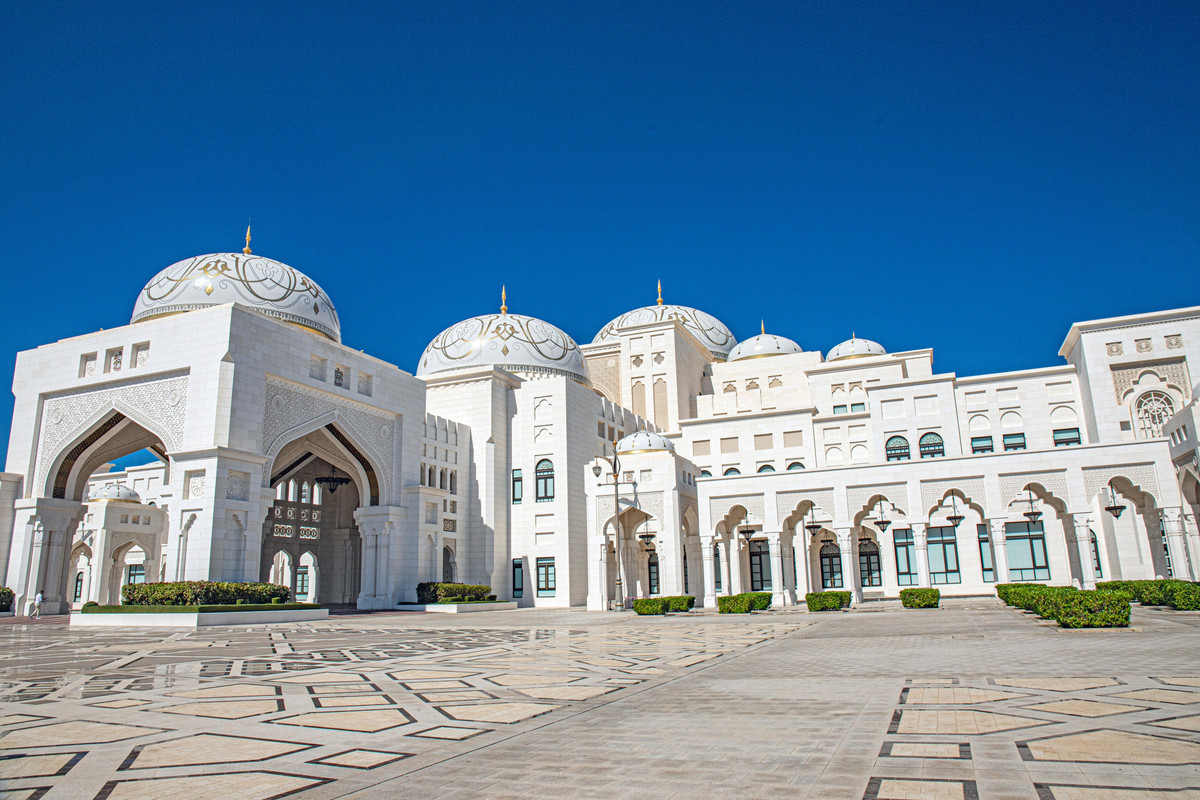 Qasr Al Watan — on an Abu Dhabi City Tour
Dressing for the Heat
The UAE's climate is the other half of the packing equation. From May to September, daytime temperatures regularly climb above 40°C (104°F), and even the "cooler" months are warm and sunny. The good news for tour-goers is that most of a city tour is spent in an air-conditioned vehicle, with short walks between stops — so you're rarely exposed to the heat for long stretches. Still, dressing smart makes a big difference to your comfort.
Aim for:
- Light, breathable fabrics — cotton, linen and loose weaves in pale colours that reflect the sun
- A wide-brimmed hat or cap and good sunglasses
- High-SPF sunscreen, reapplied through the day
- A light layer for the fierce air-conditioning inside malls, vehicles and museums — indoor spaces can feel surprisingly cold
The contrast between 42°C outside and a chilled mall interior is real, which is why a thin cardigan or scarf earns its place in your day bag.
Footwear: Comfort Wins
You'll walk more than you expect — across marble mosque courtyards, along souk lanes with uneven paving, up to viewpoints and around attractions. Comfortable, closed or secure shoes are essential. Trainers or supportive sandals are ideal. Remember that you'll remove your shoes before entering the prayer halls of a mosque, so slip-on styles save fiddling with laces. Brand-new shoes you haven't broken in are a recipe for blisters — bring ones you trust.
Season-by-Season Guide
| Season | Weather | What to Wear |
|---|---|---|
| Oct–Nov | Warm, pleasant | Light layers, breathable fabrics |
| Dec–Feb | Mild, occasionally cool evenings | Add a light jacket for night tours |
| Mar–Apr | Warming up | Sun protection, light clothing |
| May–Sep | Very hot | Loose light fabrics, hat, hydration, early starts |
For a Dubai night tour in winter, evenings can feel cool by the water, so a light jacket is worth carrying. In peak summer, prioritise sun protection and water over everything else.
What to Pack in Your Day Bag
Beyond your outfit, a small, well-packed day bag makes any tour smoother:
- Sunscreen and a refillable water bottle (staying hydrated is non-negotiable in summer)
- A charged phone and power bank — you'll take hundreds of photos and use maps
- Some cash in AED for souk shopping, bargaining, abra rides and tips
- A lightweight scarf that works as sun cover and a mosque headscarf
- Tissues or wet wipes and a small hand sanitiser
- Sunglasses and, if you wear them, a spare pair of contacts
A Note on Ramadan
If you're visiting during Ramadan, dress a little more conservatively than usual as a mark of respect, and be mindful that eating, drinking and smoking in public during daylight hours is avoided. Tours still run, many restaurants serve tourists discreetly, and the evenings come alive with Iftar — but conservative daytime dress is especially appreciated during this month.
Frequently Asked Questions
Do women have to wear a headscarf everywhere in Dubai? No — a headscarf is only required inside mosques. In everyday public areas, women don't need to cover their hair at all. Just carry a scarf for mosque visits.
Can I wear shorts in Dubai? Knee-length shorts are fine in most tourist areas, malls and at the beach. Avoid very short shorts in traditional areas and souks, and note that shorts are not allowed inside mosques.
Is there a dress code at the Burj Khalifa or Dubai Mall? Not a strict one — standard modest, casual clothing is perfectly acceptable. The mosque dress code is the only one that's formally enforced.
What should children wear? Children have far more flexibility, but light, breathable clothing, a hat and sunscreen keep them comfortable. Older children entering a mosque should follow the same modest guidelines as adults.
The Bottom Line
Aim for modest, light and comfortable, with one layer that covers up for cultural sites and a scarf always within reach. Nail that, and the UAE's heat and dress codes become complete non-issues — leaving you free to enjoy the architecture, the souks and the skyline. When you're ready to plan a comfortable, well-guided day out, browse our private city tours for a pace that suits you, or explore the full range of Dubai City Tour and Abu Dhabi City Tour options on Trip Habibi.
Practical Packing Checklist and Outfit Examples
To make dressing for a UAE city tour genuinely easy, use this simple checklist: one pair of comfortable walking shoes (broken in), lightweight trousers or a midi skirt, breathable t-shirts or blouses, a light scarf that doubles as a mosque headcover, a thin cardigan for indoor AC, a wide-brimmed hat and sunglasses, SPF 30+ sunscreen and a refillable water bottle. For evening visits bring a slightly smarter top or linen shirt for nicer restaurants. Women who prefer dresses will find a knee-to-mid-calf length maxi both comfortable and mosque-friendly when paired with a scarf. Men should keep at least one pair of long trousers handy for cultural sites. These practical choices make packing minimal and your day out comfortable, respectful and focused on the experience rather than the wardrobe.
Customize Your Tour
Want to customize your tour? Send us an enquiry with your ideas — travel dates, group size and the places you'd love to see — and we'll build the perfect itinerary for you within a few hours.